
 Contact:
 Delivery:
 Payments:
 Return Policy:

Zinc and immunity – how zinc supports the immune system
Zinc is one of the most important trace elements necessary for the proper functioning of the immune system. It participates in the activity of over 300 enzymes, influences the maturation of immune cells, and regulates inflammatory responses. Its role is not limited to shortening the duration of infections but includes the fundamental defense mechanisms of the body.
A deficiency of zinc can lead to weakened immunity, increased susceptibility to infections, and impaired immune response. For this reason, maintaining an adequate zinc level is crucial for health.
The role of zinc in immune system function
Zinc and innate immunity
Innate immunity is the first line of defense against pathogenic microorganisms. Zinc affects its effectiveness by regulating the activity of:
- macrophages responsible for recognizing and neutralizing pathogens,
- neutrophils involved in the process of phagocytosis,
- NK cells that destroy virus infected cells.
Zinc also stabilizes cell membranes and supports the integrity of mucosal barriers in the intestines and respiratory tract, which limits the penetration of pathogens into the body.
The effect of zinc on adaptive immunity
Adaptive immunity is responsible for a precise and long lasting immune response. Zinc is essential for the proper functioning of this mechanism because it:
- participates in the maturation of T lymphocytes in the thymus,
- supports the proliferation of B lymphocytes and antibody synthesis,
- regulates the balance between inflammatory and anti inflammatory responses.
With zinc deficiency, communication between immune cells becomes disrupted, which weakens the body's ability to effectively fight infections.
Zinc deficiency as a factor reducing immunity
Symptoms of zinc deficiency may be nonspecific and develop gradually. In terms of immunity, the most commonly observed are:
- frequent upper respiratory tract infections,
- recurrent inflammatory conditions,
- prolonged wound healing,
- weakened immune response after vaccination.
“Zinc deficiency leads to impaired immune system function, increasing susceptibility to infections and intensifying inflammatory responses.”
Prasad A.S., American Journal of Clinical Nutrition
Older adults, people following plant based diets, individuals with gastrointestinal disorders, and those exposed to chronic stress are particularly at risk of zinc deficiency.
When the body needs more zinc
The demand for zinc increases in specific physiological and environmental situations. The most important include:
- the autumn winter period,
- ongoing infection or recovery,
- intense physical exertion,
- long term psychological stress,
- impaired nutrient absorption.
In such cases, diet alone may not cover the increased demand, which raises the risk of reduced immunity.
Zinc supplementation and immune support
The effectiveness of zinc supplementation depends on its chemical form, dosage, and regularity of use. The best studied forms are characterized by good bioavailability and tolerance.
“Zinc supplementation may reduce the frequency and shorten the duration of respiratory tract infections, especially in individuals with zinc deficiency.”
National Institutes of Health
A properly selected zinc supplement can provide meaningful support for the immune system, especially during periods of increased infection risk.
Summary
Zinc plays a fundamental role in immune system function, affecting both innate and adaptive immunity. Its deficiency weakens the body's ability to defend against pathogens, while adequate intake supports natural immune mechanisms. For this reason, zinc is one of the key trace elements in preventive health care.

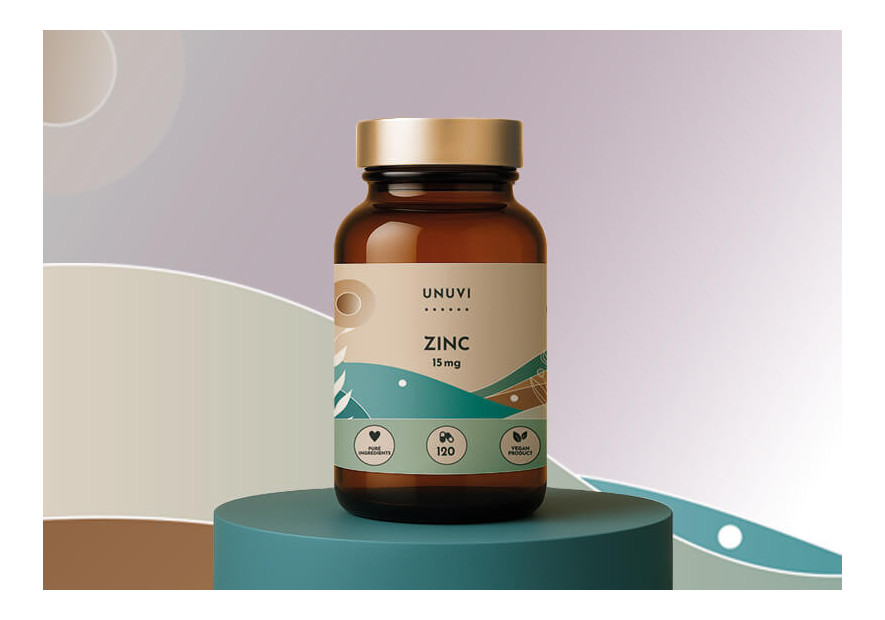
UNUVI - Zinc – Zinc Picolinate 15 mg | 60 vegetarian capsules UNUVI - Zinc – Zinc Picolinate 15 mg | 60 vegetarian capsules
UNUVI Zinc – Zinc...
UNUVI Zinc – Zinc Picolinate 15 mg is a dietary supplement containing zinc in picolinate form, essential for immunity and metabolism support. Vegan HPMC capsules. Package: 60 vegetarian capsules.
Price zł22.69

UNUVI - Zinc – Zinc Picolinate 15 mg | 120 vegetarian capsules UNUVI - Zinc – Zinc Picolinate 15 mg | 120 vegetarian capsules
UNUVI Zinc – Zinc...
UNUVI Zinc – Zinc Picolinate 15 mg is a dietary supplement containing zinc in picolinate form, essential for immunity and metabolism support. Vegan HPMC capsules. Package: 120 vegetarian capsules.
Price zł35.99
Leave a comment