
 Contact:
 Delivery:
 Payments:
 Return Policy:

Iodine deficiency: symptoms and how to restore healthy levels
Iodine is one of the key micronutrients necessary for proper thyroid function, metabolism, nervous system health and overall wellbeing. Although the required daily intake is small, the consequences of iodine deficiency can be significant. In many European countries, despite salt iodisation programs, groups of people still struggle with insufficient iodine intake.
This article explains how to recognise iodine deficiency, what the most common symptoms are and which dietary or supplemental sources can help restore optimal levels.
What is iodine deficiency: mechanism and scale of the problem
Iodine deficiency occurs when the body does not receive enough of this element to support the production of thyroid hormones T3 and T4. These hormones regulate metabolism, body temperature, brain development and endocrine function.
According to the World Health Organization (WHO), iodine deficiency remains one of the most common causes of thyroid dysfunction and impaired cognitive development in children worldwide.
Those most at risk include pregnant women, individuals following plant-based diets, people avoiding iodised salt and residents of regions with low iodine levels in the soil.
Most common symptoms of iodine deficiency
Iodine deficiency can manifest in many ways. Symptoms often develop gradually, which makes them easy to overlook.
Thyroid related symptoms
- thyroid enlargement goitre
- persistent fatigue
- slowed metabolism and weight gain
- feeling cold and low body temperature
- dry skin and brittle hair
Symptoms in women
- irregular menstrual cycles
- fertility challenges
- increased risk of hypothyroidism during pregnancy
Symptoms in children and adolescents
- impaired nervous system development
- difficulty concentrating and learning
- growth delay
General symptoms
- brain fog
- reduced immunity
- lowered daily energy levels
Causes of iodine deficiency in diet and environment
The iodine content of foods depends on environmental factors and dietary habits.
- iodine poor soil
- plant based diets low in natural iodine sources
- reduced consumption of iodised salt
- high intake of goitrogenic foods
How to restore iodine levels: natural sources and healthy habits
A balanced diet and conscious nutritional choices are the foundation of prevention.
Natural sources of iodine
- sea fish such as cod, pollock, salmon
- seaweed and algae
- milk and dairy products
- eggs
- iodised salt consumed responsibly
The iodine content of plant foods depends on its concentration in the soil, which in many regions of Europe is low.
Iodine supplementation: when it may be necessary
Supplementation may be needed when dietary intake is insufficient or when demands increase. This applies especially to:
- pregnant and breastfeeding women
- people avoiding fish and dairy
- individuals consuming little iodised salt
- those diagnosed with iodine deficiency
The most common supplemental form is potassium iodide, known for its excellent bioavailability.
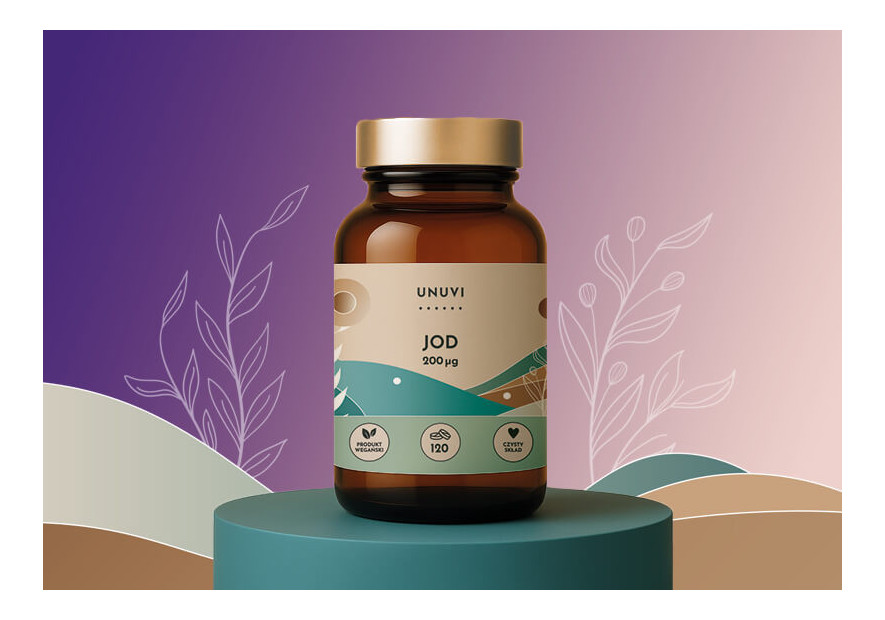
You may consider the product Iodine Potassium Iodide 200 mcg from UNUVI, which provides a precise dose and a clean ingredient profile.
Why choose potassium iodide 200 mcg
The 200 mcg dose is popular because it helps effectively replenish common deficiencies without exceeding recommended levels. Potassium iodide supports normal thyroid hormone production, nervous system function and body temperature regulation.
Who should monitor iodine levels
- pregnant women and those planning pregnancy
- breastfeeding mothers
- people on plant based diets
- those avoiding iodised salt
- residents of low iodine regions
Summary
Iodine deficiency is still a common issue associated with thyroid disorders, metabolic problems and developmental impairments in children. A conscious approach to nutrition and well selected supplementation, for example in the form of potassium iodide 200 mcg, helps effectively prevent these consequences.


UNUVI - Iodine – Potassium Iodide 200 mcg | 120 vegetarian tablets UNUVI - Iodine – Potassium Iodide 200 mcg | 120 vegetarian tablets
UNUVI Iodine –...
UNUVI Iodine – Potassium Iodide 200 μg is a dietary supplement providing essential iodine for thyroid and metabolism in the form of potassium iodide. Vegan tablets. Package: 120 vegetarian tablets.
Price zł23.90
Leave a comment