
 Contact:
 Delivery:
 Payments:
 Return Policy: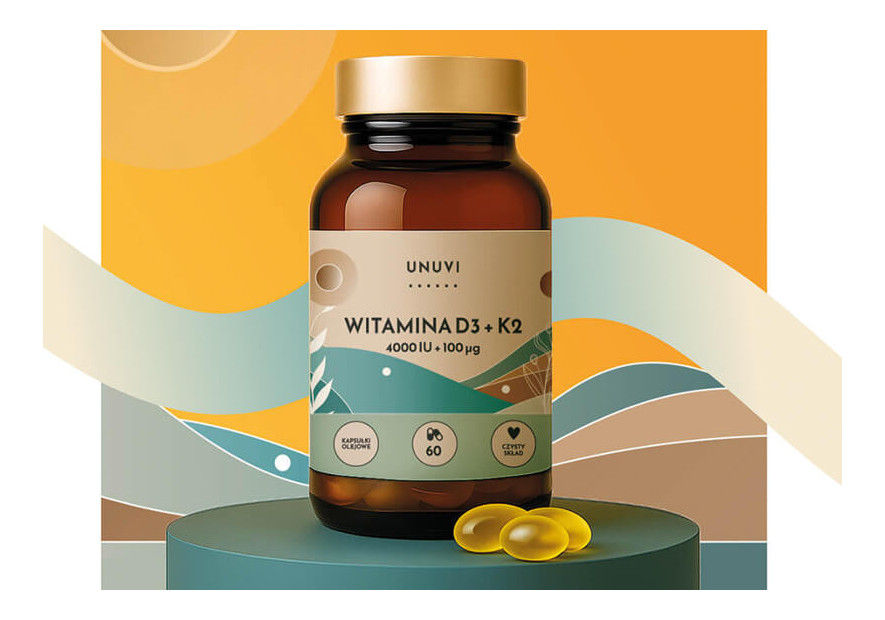

How Much Vitamin D3 Does Your Body Make in Autumn?

Autumn is a season when less sunlight reaches our skin. Days become shorter, the angle of the sun changes, and exposure to natural light is limited. All of this means that the amount of vitamin D3 produced by the body drops almost to zero. It is important to understand why this happens and how to maintain adequate levels of this essential vitamin during the colder months.
How Vitamin D3 Is Produced in the Skin
Vitamin D3 is synthesized in our skin when exposed to UVB radiation. Under its influence, 7-dehydrocholesterol is converted into pre-vitamin D3, which then transforms into cholecalciferol, known as vitamin D3. This natural process works effectively during summer months when the sun is high in the sky.
Approximately 15–30 minutes of midday sun exposure on uncovered arms and legs can allow the body to produce between 2000 and 5000 IU of vitamin D3. The problem arises when the days grow shorter and the sun’s intensity decreases.
Why Less Vitamin D Is Produced in Autumn
In autumn, the sun’s rays hit the Earth at a lower angle, meaning UVB radiation must pass through a thicker layer of atmosphere. As a result, most of it is scattered or absorbed before reaching the surface. Cooler temperatures and heavier clothing also reduce the skin surface exposed to sunlight.
In Poland, from the beginning of October, UVB radiation is too weak for the body to produce vitamin D3 efficiently. Studies show that between October and March, natural production of this vitamin practically does not occur, even on sunny days.
Is Autumn Sunlight in Poland Enough?
At Poland’s latitude, UVB radiation during autumn and winter months is insufficient to initiate skin synthesis. Even on bright days, sunlight does not contain enough UVB energy. This means that from autumn to spring, most people do not produce vitamin D at all.
In autumn and winter in Poland, skin synthesis of vitamin D is practically impossible. Therefore, it is essential to maintain its level through other means.
Factors Affecting Vitamin D3 Production
- Latitude: the farther from the equator, the less UVB reaches the skin.
- Time of day: synthesis occurs mainly at noon when the sun is highest.
- Skin type: darker skin requires longer exposure.
- Age: the ability to produce vitamin D decreases with age.
- Sunscreen: SPF blocks up to 95–98% of UVB rays.
- Cloud cover and pollution: reduce UV penetration.
- Exposed skin area: the more skin is exposed, the more vitamin D is produced.
Symptoms and Consequences of Vitamin D Deficiency in Autumn
Vitamin D deficiency can manifest as low mood, fatigue, reduced immunity, muscle pain, and difficulty concentrating. Long-term deficiency increases the risk of osteoporosis, immune disorders, and autoimmune diseases.
Regular supplementation, for example with vitamin D3, can help maintain proper levels and support the body’s natural immunity during autumn and winter.
Is a Vitamin D-Rich Diet Enough in Autumn?
Vitamin D naturally occurs in only a few foods, such as fatty fish, egg yolks, liver, and fortified products. Unfortunately, even a rich diet covers only 10–20% of daily needs. For many people, moderate supplementation, such as vitamin D3, helps maintain adequate vitamin D levels safely.
Vitamin D3 Supplementation in Autumn – How to Choose the Right Dose
Experts recommend taking 1000 to 2000 IU of vitamin D3 daily from October to April. People with overweight, limited sun exposure, or confirmed deficiency may require higher doses. Tools such as the UNUVI vitamin D3 calculator can help determine the right dose individually.
For adults who want to maintain stable vitamin D levels, vitamin D3 supplementation is an effective solution during months with limited sun exposure.
Vitamin D is best absorbed when taken with meals containing fat, and it can be combined with vitamin K2 to support proper calcium utilization in the body.
How to Safely Enjoy Autumn Sunlight
Autumn sun can still improve mood and support the circadian rhythm, though it no longer promotes vitamin D production. Short midday walks enhance mood and support the nervous system. Even on cloudy days, natural light boosts serotonin, the “happiness hormone.”
Summary – What to Remember About Vitamin D in Autumn
- In autumn and winter, skin synthesis of vitamin D3 in Poland is almost nonexistent.
- Diet helps, but cannot cover full body needs.
- Regular supplementation is the most effective way to maintain proper vitamin D levels.
- The right dose supports immunity, mood, and bone health.
Even short daily supplementation, for example with vitamin D3, can help maintain adequate levels when the sun is scarce.
Autumn does not have to mean low energy and weakened immunity. Adequate vitamin D3 levels are your daily dose of sunshine, even when the sky is gray.

UNUVI - Vitamin D3 2000 IU | 60 capsules UNUVI - Vitamin D3 2000 IU | 60 capsules
UNUVI Vitamin D3 2000...
UNUVI Vitamin D3 2000 IU is a dietary supplement containing a high dose of natural vitamin D3 from lanolin. Supports immunity, bones, and muscles – ideal for low sun exposure or higher needs. Package: 60 capsules.
Price zł24.90
UNUVI - Vitamin D3 2000 IU | 120 capsules UNUVI - Vitamin D3 2000 IU | 120 capsules
UNUVI Vitamin D3 2000...
UNUVI Vitamin D3 2000 IU is a dietary supplement providing a high dose of natural vitamin D3 from lanolin. Supports immunity, bones, and muscles – perfect during low sun exposure or times of increased need. Package: 120 capsules.
Price zł29.90
UNUVI - Vitamin D3 4000 IU | 60 capsules UNUVI - Vitamin D3 4000 IU | 60 capsules
UNUVI Vitamin D3 4000...
UNUVI Vitamin D3 4000 IU is a dietary supplement containing a high dose of natural vitamin D3 from lanolin. Supports immunity, bones, and muscles – ideal for low sun exposure or higher needs. Package: 60 capsules.
Price zł25.99

UNUVI - Vitamin D3 4000 IU | 120 capsules UNUVI - Vitamin D3 4000 IU | 120 capsules
UNUVI Vitamin D3 4000...
UNUVI Vitamin D3 4000 IU is a dietary supplement providing a high dose of natural vitamin D3 from lanolin. Supports immunity, bones, and muscles – perfect during low sun exposure or times of increased need. Package: 120 capsules.
Price zł31.99
Leave a comment