
 Contact:
 Delivery:
 Payments:
 Return Policy:
Vitamin A – Benefits for Vision, Skin and Immunity

Vitamin A is one of the most important fat-soluble vitamins and plays a key role in many biological processes in the human body. It is essential for proper vision, immune system function, skin health, and processes related to cell growth and differentiation. A deficiency of vitamin A may lead to vision problems, weakened immunity, and deterioration of the condition of the skin and mucous membranes.
In this article, we explain in detail what vitamin A helps with, the functions it performs in the body, and when supplementation may be worth considering.
What Is Vitamin A?
Vitamin A is a group of chemical compounds known as retinoids. The most important forms include:
- retinol – the active form of vitamin A found in animal products
- retinal – a form involved in the process of vision
- retinoic acid – a compound regulating gene expression
- carotenoids (e.g., beta-carotene) – provitamins found in plants
The body can convert certain carotenoids, especially beta-carotene, into active vitamin A. For this reason, a diet rich in vegetables with intense orange or green colors can help support adequate vitamin A levels.
“Vitamin A is essential for vision, immune function and cellular communication. It also plays a critical role in maintaining the integrity of epithelial tissues.”
National Institutes of Health – Office of Dietary Supplements
The Most Important Functions of Vitamin A in the Body
1. Vitamin A and Eye Health
One of the best-known functions of vitamin A is its role in the process of vision. Retinal – one of the active forms of the vitamin – is a component of rhodopsin, a pigment found in the retina responsible for vision in low-light conditions.
Thanks to this, vitamin A:
- supports proper night vision
- helps maintain a healthy retina
- may protect eye cells from oxidative stress
- supports proper functioning of the corneal epithelium
Long-term vitamin A deficiency can lead to so-called night blindness, which is characterized by impaired vision in low-light conditions.
“Night blindness is one of the earliest clinical signs of vitamin A deficiency.”
World Health Organization – Vitamin A Deficiency Report
2. The Impact of Vitamin A on Skin Health
Vitamin A plays a major role in maintaining healthy skin. Retinoids influence cellular renewal processes, regulate sebum production, and support the regeneration of the epidermis.
Adequate intake of vitamin A may support:
- proper differentiation of skin cells
- epidermal renewal
- maintaining adequate skin hydration
- collagen production
- protection against premature skin aging
For this reason, retinoids are widely used in dermatology and cosmetology, for example in the treatment of acne, photoaging, and skin discoloration.
3. Vitamin A and the Immune System
Vitamin A plays an important role in the functioning of the immune system. It supports the proper functioning of the body’s protective barriers, especially the mucous membranes of the respiratory, digestive, and urinary systems.
As a result, it helps to:
- support the body's immune defenses
- maintain the integrity of mucous membranes
- support the immune response to pathogens
- protect cells from oxidative stress
“Vitamin A is crucial for maintaining epithelial tissue integrity and supporting immune responses against infections.”
Stephensen C.B. – Vitamin A, Infection, and Immune Function, American Journal of Clinical Nutrition
4. The Role of Vitamin A in Cell Regeneration
Vitamin A participates in the regulation of gene expression and the process of cell differentiation. This means it influences how cells develop and perform their functions.
Because of this, it is particularly important for:
- tissue regeneration
- cell growth
- embryonic development
- proper functioning of organs
Symptoms of Vitamin A Deficiency
Vitamin A deficiency may develop gradually and initially produce nonspecific symptoms. As the deficiency becomes more severe, more characteristic symptoms may appear.
The most common symptoms of deficiency include:
- impaired night vision
- dry eyes
- excessively dry skin
- brittle hair and nails
- frequent infections
- slow wound healing
Long-term deficiency can lead to serious health problems, particularly those related to vision and immune system function.
Natural Sources of Vitamin A in the Diet
Vitamin A can be obtained from the diet both in the form of ready-to-use retinol and as provitamin A (carotenoids).
Animal Sources Rich in Vitamin A
- liver
- cod liver oil
- butter
- eggs
- milk and dairy products
Plant Sources Containing Beta-Carotene
- carrots
- pumpkin
- sweet potatoes
- spinach
- kale
- bell peppers
It is worth remembering that vitamin A is a fat-soluble vitamin. This means its absorption is significantly better when a meal contains a small amount of dietary fat.
Daily Requirement for Vitamin A
The daily requirement for vitamin A depends on age, sex, and physiological condition.
- women: about 700–800 µg per day
- men: about 900 µg per day
In certain situations, the requirement may be higher, for example during periods of intensive growth, increased oxidative stress, or insufficient intake from the diet.
Is Vitamin A Supplementation Worth Considering?
Vitamin A supplementation may be helpful when the diet does not provide sufficient amounts of this nutrient or when the body has increased requirements.
When choosing a supplement, it is worth paying attention to:
- the form of vitamin A
- an appropriate dosage
- purity of ingredients
- absence of unnecessary additives
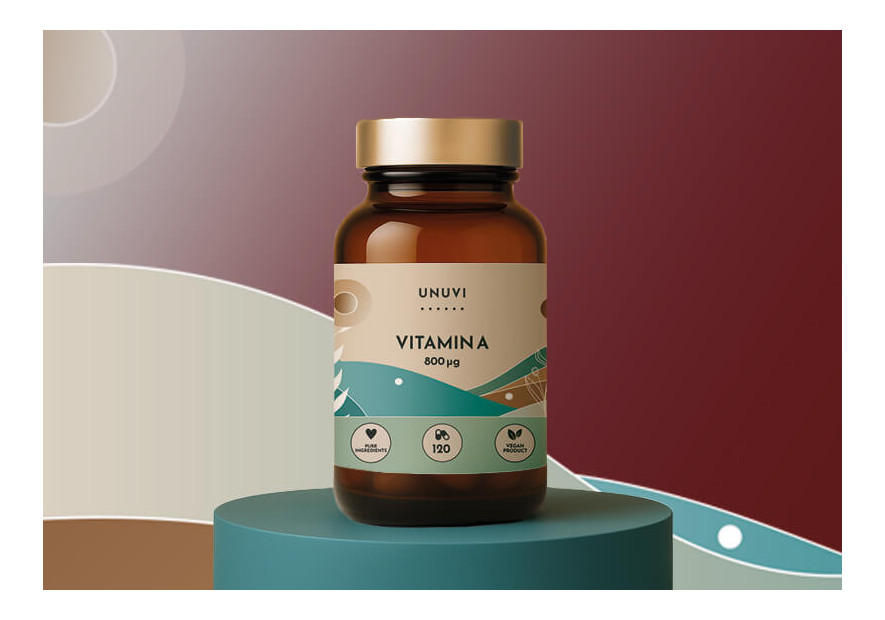
An example of a supplement containing this vitamin is UNUVI Vitamin A in vegetarian capsules , which can help complement the daily diet with this important nutrient.
Summary
Vitamin A performs many essential functions in the body. It supports proper vision, helps maintain healthy skin, participates in cellular regeneration processes, and supports the functioning of the immune system. Ensuring adequate intake of this vitamin – both through diet and, when necessary, through supplements – is an important element of maintaining overall health.


UNUVI - Vitamin A 800 mcg | 120 vegetarian capsules UNUVI - Vitamin A 800 mcg | 120 vegetarian capsules
UNUVI Vitamin A 800 μg...
UNUVI Vitamin A 800 μg is a dietary supplement containing the active form of vitamin A in vegetarian HPMC capsules. Supports vision, skin health, and immunity. Package: 120 vegetarian capsules.
Price zł32.50
Leave a comment